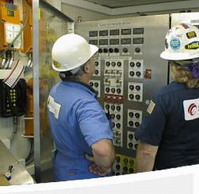
 If one could get the right mix of preventive maintenance (PM) and corrective maintenance (CM), things might not be so bad. If CM could be reduced to zero, that would be grand, but that is not going to happen. Amid the propositions of RCM, TPM, RCA, the Pareto rule, best laid plans, etc., one still must contend with randomness. When our programs result in high levels of performance, the limiting factor is often randomness. Using the concept of randomness in analyzing equipment failure events is helpful in establishing the realistic limiting factors in PM and CM program development and management.
Before getting enthused about understanding the technical milieu of equipment failure modes and causes, failure intervals and maintenance task development in recovering a dysfunctional maintenance program, first look for an opportunity of a large reward for a small resource expenditure.
One large reward, for example, could be a 50% reduction in corrective maintenance resulting from a program developed and implemented in-house (small resource expenditure). That 50% number is not unrealistic.

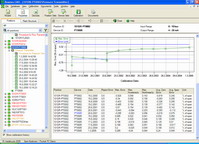 Plants can improve their efficiency and reduce costs by performing calibration history trend analysis. By doing it, a plant is able to define which instruments can be calibrated less frequently and which should be calibrated more frequently. Calibration history trend analysis is only possible with calibration software that provides this functionality.
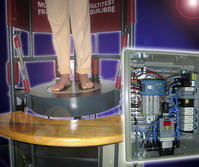 The latest Moduflex family of products from Parker Hannifin, the world
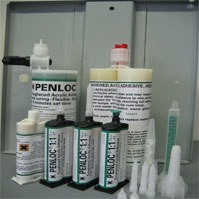 Penloc Thread Lockers, Penloc Retaining Compounds and Penloc Structural Adhesives are essential tools in any engineers tool box. Eurobond Adhesives Ltd offer a range of high performance anaerobic and 2-part toughened acrylic bonding solutions that are specifically designed for the engineering & maintenance sectors.
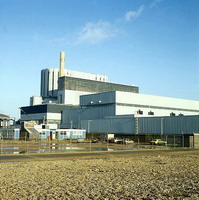 When Sovereign Lubricants & Seals were approached by a major UK nuclear power generation provider to supply an anti-seize for use on site to prevent stress corrosion cracking of stainless steel alloys and for use as a general grease for maintenance use there was no hesitation in recommending an immediate solution to this age old problem.
  By David Larner CEng. Technical Training Solutions
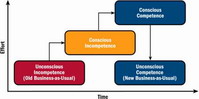 We change a lot of oil in our plants, mills, mines and factories. What are we doing to change our lubrication culture? In their book Learning to Fly, Collison and Parcell, employees of British Petroleum (BP), suggest a predictable pattern in achieving sustained culture change, which is a function of effort and time (Figure 1).
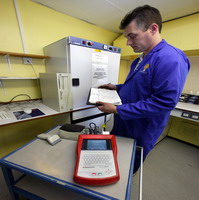 Seaward Electronic has developed a new integrated testing solution to ensure the safe condition of workplace electrical equipment and appliances.
 Calibration is an essential element of any instrumentation maintenance program. However, calibration operations can be long and time-consuming. By using the Beamex