
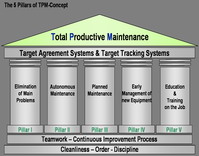
 The definition and use of Overall Equipment Effectiveness over the years has been widely debated.
Many practitioners have found that OEE has several uses and definitions which have led to
considerable confusion when comparing machine-to-machine, plant-to-plant, or company-tocompany.
Unfortunately, OEE was not designed to make comparisons from machine-to-machine,
plant-to-plant, or company-to-company, but it has evolved to these common levels of misuse. OEE is not a statistically valid metric, but it has been used as such for years.
The purpose of this article is to discuss the original intent of Overall Equipment Effectiveness as a metric and a measure. I initially learned OEE from Seiichi Nakajima, the
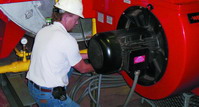 Leading maintenance repair and operation (M.R.O.) organizations are leveraging a range of best practices for optimal asset performance. Such methods encompass maintenance best practices that drive efficiencies and equipment life cycles, as well as cost-cutting ideas from allied industries like field services.
 Risk Based Inspection (RBI) is a method for using risk as a basis for managing an inspection programme. The concept of risk is used to target inspection and maintenance resources at areas of the plant where they can have the greatest effect in reducing risk, the occurrence and consequences of unplanned failures and to reduce the cost of unproductive inspections. Risk is a function of both the likelihood of a failure and the consequences of the
 Article written by Torbjörn Idhammar VP and Partner, IDCON, Inc., a maintenance management consulting and training company.Further information is available by contacting
  If you want to change your current maintenance reality, you must begin with the basics. One of the cornerstones of a successful maintenance effort is the precise execution of thoughtful, well-written preventive maintenance (PM) procedures. There are several steps that must be followed to ensure that these procedures are as effective as possible.
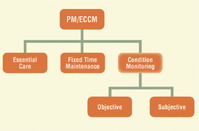
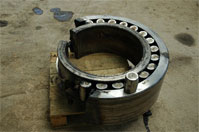 By carrying out regular condition monitoring checks on critical rotating plant and machinery, Corus Northern Engineering Services (CNES), the maintenance, condition monitoring and engineering services company within Corus Group, has helped a limestone quarry in Cumbria maintain its output, efficiency and profitability.
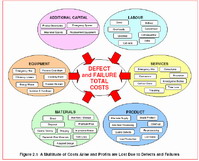 The Huge Instantaneous Impact on Your Business of Defect Cost and Failure Cost. When a failure incident occurs there is a consequential loss of profits and a massing of costs. The cost of failure includes lost profit, the cost of the repair, the fixed and variable operating costs wasted during the downtime and a myriad of consequential costs that reverberate and surge through the business. These are all paid for by the organisation and seen as poor financial performance. The costs of failure cannot be escaped and are counted in millions of dollars of lost profit per year. Total defect and failure true costs are not normally recognised by managers, yet they can send businesses bankrupt. In the instance of a failure all its costs and losses are automatically incurred on the business. These costs can only be prevented by precluding the failure in the first place. This article explains the 'instantaneous cost of failure' (ICOF) and introduces a proactive technique, 'Defect and Failure True Costing', that adds economics to RCM and FMEA to help companies recognise and prevent this tremendous waste of money.
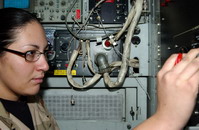 Reliability Centered Maintenance has changed the way we think about Preventive Maintenance (PM). It has caused some to question whether it is even necessary to do preventive maintenance. The truth is most manufacturing facilities would benefit from a good preventive maintenance program. It would be especially beneficial for those plants that rely on breakdown or run-to-failure maintenance. But, a preventive maintenance program is potentially risky, so it must be administered and performed properly to be successful. This paper will examine both the benefits and risks of preventive maintenance and offer some ideas on how to make it successful. We will start with a definition of preventive maintenance.
 What constitutes adequate PM frequency in your plant? How do you know when enough is enough? Where do you want your PM program to take you? Think before answering. No guessing allowed.