
News
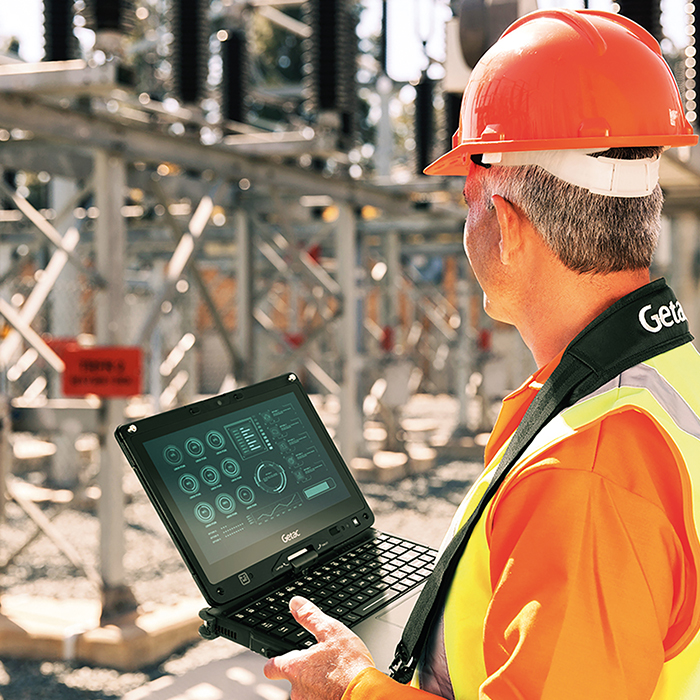
Digital Transformation Shouldn’t Be Hazardous
Digital transformation has gained pace in 2020. According to McKinsey & Company, we leapt forward five years in consumer and business digital adoption in a matter of weeks. In many industrial settings, going digital improves workflows and asset management or enables faster, more accurate reporting. Above all, it paves the way for IoT technology, big data analytics and improved operational efficiency.
But it’s not always straightforward. Many industrial settings and facilities contain restricted zones with dangerous explosive atmospheres which, until recently, meant these were firmly designated as ‘pen and paper’ areas. So how can organisations enable devices to be used without putting safety at risk?
No two explosive atmospheres are the same
Under the ATEX (Atmospheres Explosible) classification, no two explosive atmospheres are the same. Zones containing gases/vapours are assigned a rating between 0 (an explosive mixture is continuously present or present for long periods) and 2 (an explosive mixture is not likely to occur in normal operation and if it occurs, will exist only for a short time). Similarly, zones containing combustible dust or fibres are rated between 20 and 22, based on the same criteria.
Each ATEX level has guidelines around the safety measures that electronic equipment must meet. For instance, a zone 0/20 device requires much more stringent safety features than those in zone 2/22. Organisations must ensure that only devices with the corresponding ATEX certification enter that zone. Furthermore, all ATEX devices certified for use in Zone 0 and Zone 1 must be tested by an independent third party. Getac devices are certified by SIRA, a highly respected and recognised UK-based research association, specialising in ATEX and IECEX product approvals.
Mobile device technology is rapidly evolving
Mobile device technology has evolved significantly in terms of design, manufacturing and testing. Industrial customers can choose from a wide range of ATEX certified commercial off-the-shelf (COTS) solutions, which are both versatile and cost efficient, as well as certified safe for ATEX zones 0/20, 1/21 and 2/22, depending on the chosen device.
Features required for ATEX zone 2/22 certification, such as port protection, temperature control and double fault circuitry are now much more widely available on devices from rugged manufacturers, either as standard or as optional extras. This makes it much easier for organisations to meet the standards required.
In the past, many ATEX certified devices were cumbersome and outdated right out of the box. Now, the biggest trade-offs tend to be a small weight penalty, slightly dimmer screen (due to lower energy output), and lack of interchangeable battery (due to the device being completely sealed).
Even devices specifically designed for more stringent ATEX zones 0/1 are now incredibly capable, offering a wealth of productivity features alongside the strict safety requirements. For instance, the Getac EX80 ATEX zone 0/1 certified tablet runs off windows 10 and features inbuilt front and rear cameras, dedicated GPS and contactless RFID reader, as well as a fully rugged design for added peace of mind.
Key purchasing considerations
As the drive for digital transformation continues to gather pace across the industrial sector, digital devices are finding their way into all sorts of areas where previously there were none. To get the benefits of productivity and operational efficiency, organisations must address the risks to protect worker safety and regulatory compliance. The growth of ATEX certified, intrinsically safe devices in recent years has taken much of the pain out of workflow and procurement processes, but with so many options now available, it’s absolutely critical that organisations carry out their due diligence before committing to a final purchasing decision.
About the author: Sophie Maxwell is Business Development Manager at Getac UK Ltd
For more information visit:
www.getac.com
